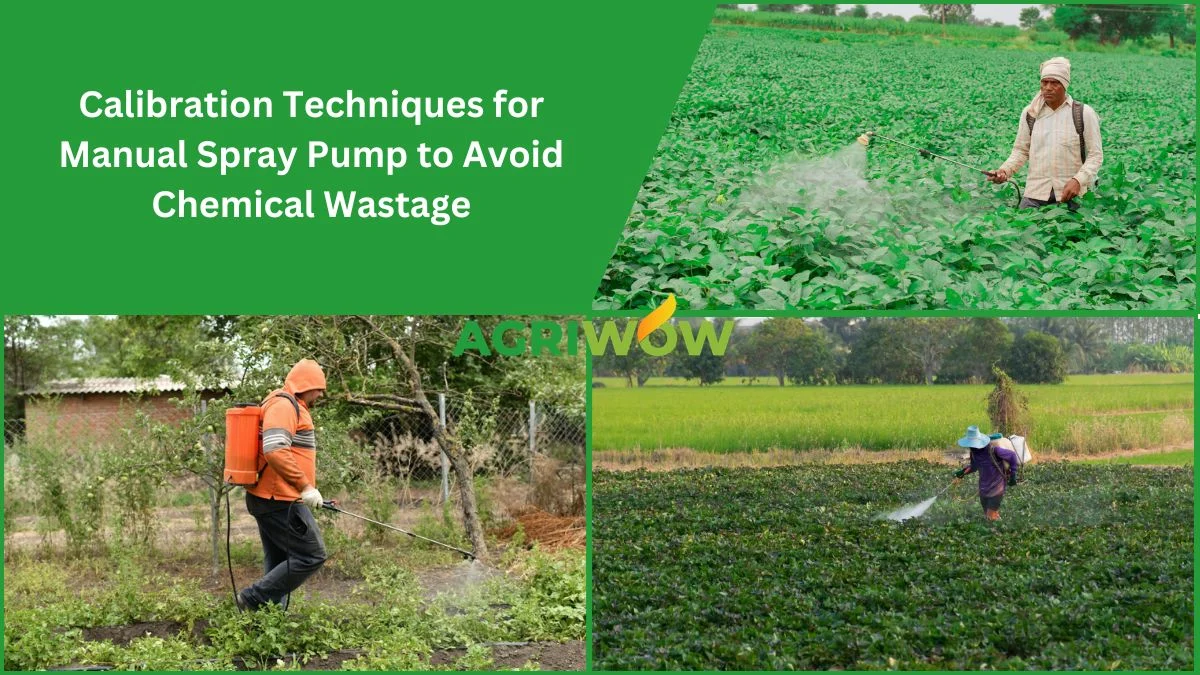
Efficiency in the field isn’t just about how hard you work—it’s about how smart you spray. For farmers and gardeners using a manual spray pump—whether a knapsack or compression sprayer—the difference between a thriving crop and wasted money often comes down to one thing: calibration.
If your equipment isn’t calibrated, you’re likely under-applying (leading to pest resistance and poor yields) or over-applying (wasting costly chemicals and risking environmental damage).
Why Calibration Is Non-Negotiable
Manual sprayers are inherently inconsistent. Because pressure is generated by hand, flow rate varies with operator fatigue, pumping rhythm, and walking speed.
Calibration helps you establish a reliable, repeatable application rate—especially when working with a manual knapsack sprayer in varying field conditions.
Key benefits include:
- Cost savings: Avoid overuse of expensive chemicals
- Environmental protection: Minimize runoff and groundwater contamination
- Crop safety: Prevent phytotoxicity from over-application
Pre-Calibration Checklist
Before measuring anything, make sure your equipment is working properly. Faulty gear will invalidate your results, whether you’re using a traditional unit or a hand operated knapsack sprayer.
- Inspect the nozzle: Replace if the spray pattern is uneven or streaky
- Clean filters: Remove debris from suction and nozzle filters
- Check for leaks: Fill with water and inspect hoses, seals, and trigger
- Uniformity test: Spray on dry ground—look for even coverage without gaps or heavy edges
Step-by-Step Calibration: The “1/128th” Method
This is one of the simplest and most reliable methods. Since there are 128 ounces in a gallon, the ounces you collect directly equal gallons per acre (GPA).
1. Measure Spray Width
Hold the nozzle at your normal working height and measure the width of the spray pattern on the ground.
Example: 20 inches
2. Calculate Calibration Distance
Distance = 4090 ÷ Spray Width (inches)
Example:
20-inch width → 204 feet
3. Time Your Walk
- Mark the distance
- Fill sprayer with clean water
- Walk at your normal pace while pumping consistently
- Record the time (repeat 3 times and average)
4. Collect Nozzle Output
- Stand still and maintain the same pressure
- Collect spray for the same number of seconds
- Use a measuring cup
5. Determine Application Rate
The ounces collected = Gallons Per Acre (GPA)
Example:
20 ounces collected = 20 GPA
Adjusting Your Results
If your GPA doesn’t match label recommendations, adjust using these three factors:
- Walking speed: Faster = lower application; slower = higher application
- Pressure: More pumping = higher flow rate
- Nozzle size: The most reliable adjustment for major corrections
For those using a battery sprayer for agriculture, pressure tends to be more stable, but calibration is still essential to ensure accurate application rates.
Best Practices to Reduce Waste
Calibration gives you numbers—technique ensures consistency.
- Maintain steady pumping: Develop a rhythm (e.g., one pump every two steps)
- Avoid wind: Do not spray above ~10 mph wind speed
- Use a constant flow valve: Keeps output steady despite pressure variation
- Mix only what you need: Use your GPA to calculate exact spray volume for your plot
Smart Spraying: The Future of Efficient Farming
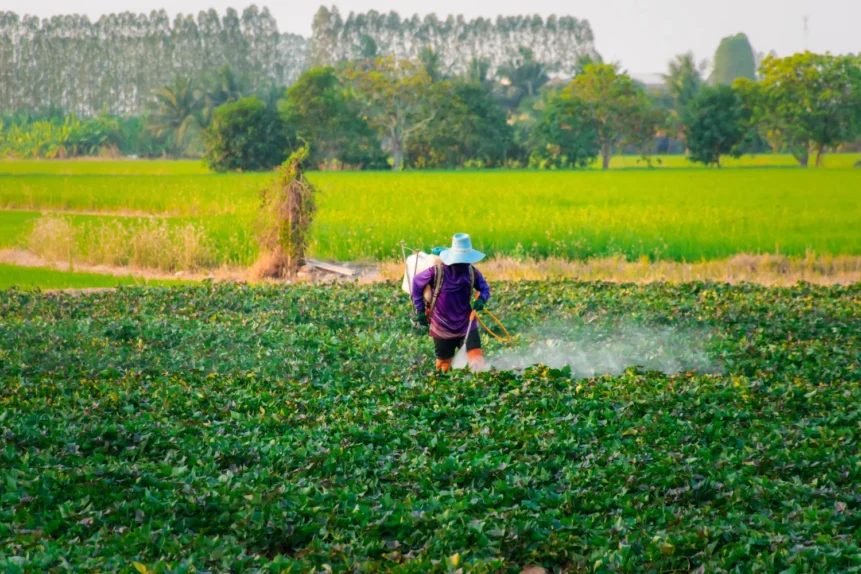
Modern farming is shifting toward precision, where calibrated spraying helps reduce waste, cut costs, and improve crop health. By focusing on accuracy instead of excess, farmers can achieve better yields while protecting the environment.
Conclusion
Calibration takes about 20 minutes but can save significant money over a season. More importantly, it ensures your chemicals work effectively while protecting your crops, soil, and surrounding environment.
Treat your sprayer with the same precision as large-scale equipment—and you’ll see the difference in both yield and cost efficiency.
FAQs
1. How do you calibrate a manual spray pump for accurate application?
To calibrate a manual spray pump, measure the spray width, calculate the calibration distance, and time how long it takes to walk that distance at a normal pace. Then collect the nozzle output for the same duration. The amount collected (in ounces) equals gallons per acre (GPA), helping you apply the correct chemical dosage.
2. What is the difference between a manual knapsack sprayer and a battery sprayer for agriculture?
A manual knapsack sprayer relies on hand pumping to generate pressure, which can lead to inconsistent flow. In contrast, a battery sprayer for agriculture uses a motorized pump to maintain constant pressure, resulting in more uniform spraying and less operator fatigue.
3. Why is calibration important for a hand operated knapsack sprayer?
Calibration ensures that a hand operated knapsack sprayer applies the correct amount of pesticide or fertilizer. Without proper calibration, you risk under-application (leading to poor pest control) or over-application (causing crop damage, higher costs, and environmental harm).