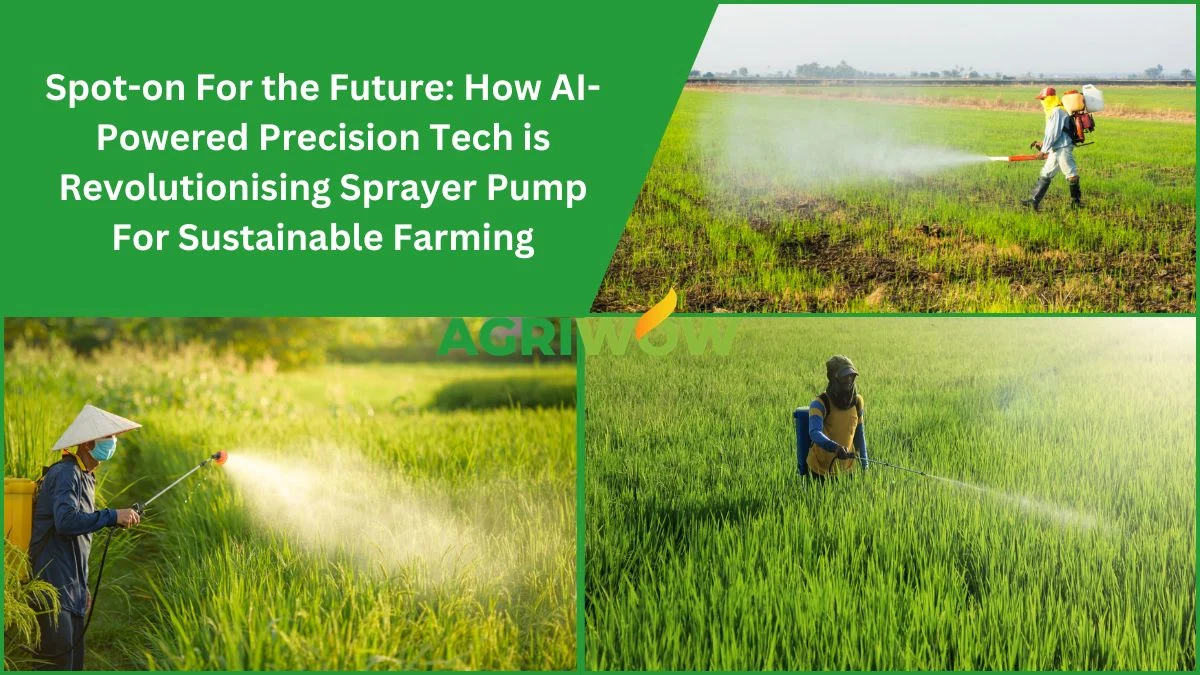
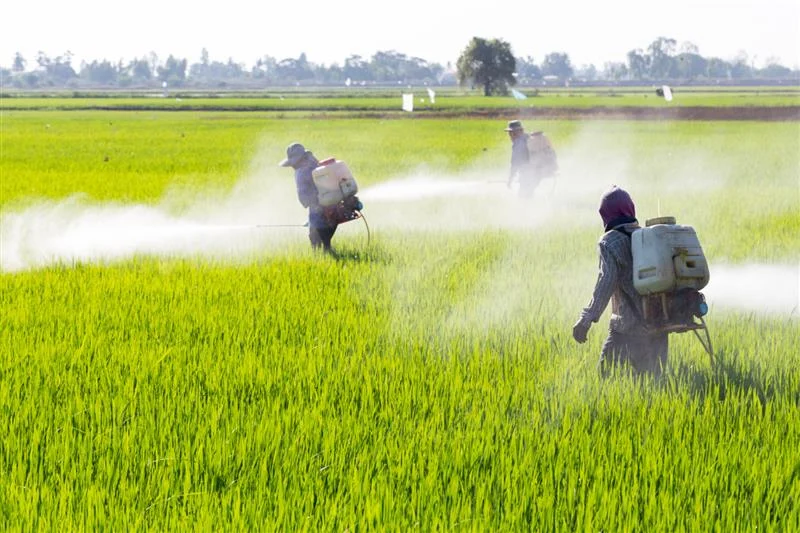
For decades, crop protection followed a “one-size-fits-all” approach. Farmers would move across fields while sprayer pumps released a uniform blanket of chemicals regardless of whether the area contained weeds, healthy crops, or bare soil. Traditional equipment, including the sprayer machine for agriculture, operated without precision, leading to excessive chemical use and waste.
In 2026, that outdated method is rapidly disappearing.
The integration of Artificial Intelligence (AI) into modern sprayer systems is revolutionizing agriculture. Today’s sprayer pumps are no longer just mechanical tools they are intelligent systems driving the future of sustainable farming. Advanced solutions like the neptune sprayer pump are leading this transformation by combining durability with smart precision technology.
The Intelligence Behind AI Sprayer Pumps
Traditional sprayer pumps are built for consistency. AI-powered systems, however, are built for precision.
These advanced systems rely on computer vision and deep learning algorithms to analyze field conditions in real time and act instantly.
1. See, Think, Act — in Real Time
High-speed cameras mounted on sprayer booms scan crops continuously. The AI system, trained on vast image datasets, identifies differences between crops and weeds with remarkable accuracy.
Once a weed is detected, the system immediately signals the pump to activate spraying only at that specific location.
2. Precision Through Smart Nozzle Control
Instead of constant spraying, AI systems use high-speed solenoids that control individual nozzles.
This enables spot spraying where chemicals are released only when needed. Even at speeds of 15–20 mph, these systems can target areas as small as a few centimeters, ensuring unmatched accuracy and minimal waste.
Why This Matters for Sustainable Farming
Sustainability is no longer optional it is essential. AI-powered sprayer pumps directly support the three key pillars of sustainable agriculture:
1. Massive Reduction in Chemical Usage
Recent 2026 studies show that precision spraying can reduce herbicide use by 50% to 90%. This not only lowers costs but also prevents excessive chemical exposure to the environment.
2. Improved Soil and Water Health
Lower chemical usage means reduced runoff and leaching. This helps:
- Protect groundwater resources
- Maintain soil microbiome balance
- Reduce long-term dependency on synthetic fertilizers
The result is a healthier and more resilient farming ecosystem.
3. Protection of Biodiversity
Traditional blanket spraying often harms beneficial insects and plants. AI precision systems ensure that only harmful weeds are targeted, preserving pollinators and natural ecosystems.
Economic Benefits: Profit Meets Sustainability
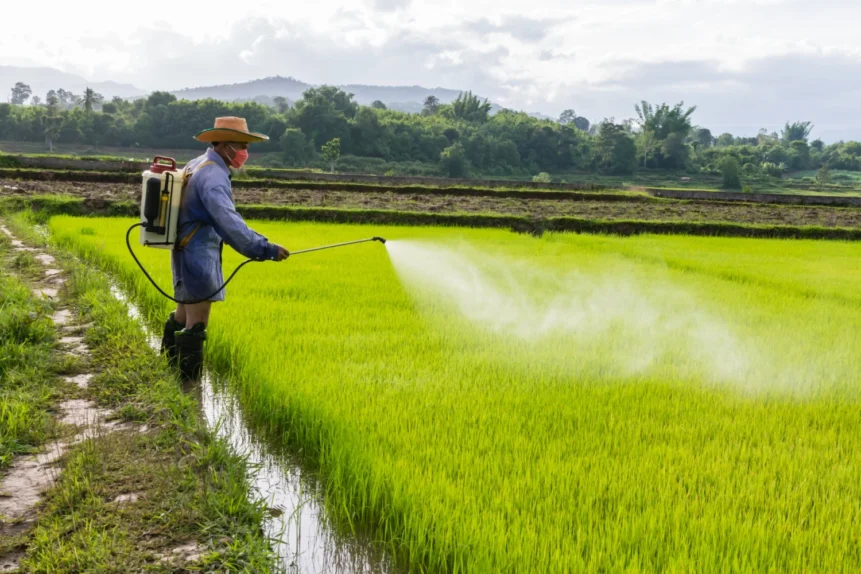
While AI-powered sprayer systems may require a higher initial investment, the long-term financial gains are substantial. Farmers today are also more conscious about the agriculture spray pump price, and with AI integration, the return on investment becomes significantly more attractive due to reduced input costs.
| Feature | Traditional Spraying | AI Precision Spraying |
| Chemical Usage | 100% (Blanket) | 10%–50% (Targeted) |
| Waste/Drift | High | Minimal |
| Crop Stress | High | Low |
| Data Tracking | Manual | Real-Time Digital |
With rising input costs in 2026, reducing chemical expenses by up to 80% allows farmers to recover their investment within just a few seasons.
The Future: Autonomous Spraying Systems
The evolution of sprayer technology doesn’t stop at precision—it’s moving toward full automation.
Emerging innovations include:
- Autonomous spraying drones
- AI-powered ground robots
- Solar-operated micro-sprayers
These systems can operate 24/7, monitoring crops and treating individual plants before diseases spread.
“The Green AI Shield”
“Beyond efficiency: Why 2026 is the year of ‘Regenerative AI’—where smart sensors don’t just reduce chemical waste, but actively map and restore soil health in real-time.”
Conclusion
The modern sprayer pump is no longer just a tool—it’s a smart system at the heart of precision agriculture.
By combining AI with advanced spraying technology, farmers can:
- Use fewer chemicals
- Protect natural ecosystems
- Increase profitability
The future is clear: success in agriculture will not depend on how much you spray—but on how precisely you do it.
FAQs
Q1. What is AI-powered precision spraying in agriculture?
AI-powered precision spraying uses cameras and machine learning to identify weeds and apply chemicals only where needed.
Q2. How much chemical can farmers save with AI sprayer pumps?
Farmers can reduce chemical usage by 50% to 90% depending on conditions.
Q3. Is investing in AI sprayer pumps worth the cost?
Yes, despite a higher initial agriculture spray pump price, the long-term savings on chemicals and improved efficiency make it highly profitable.