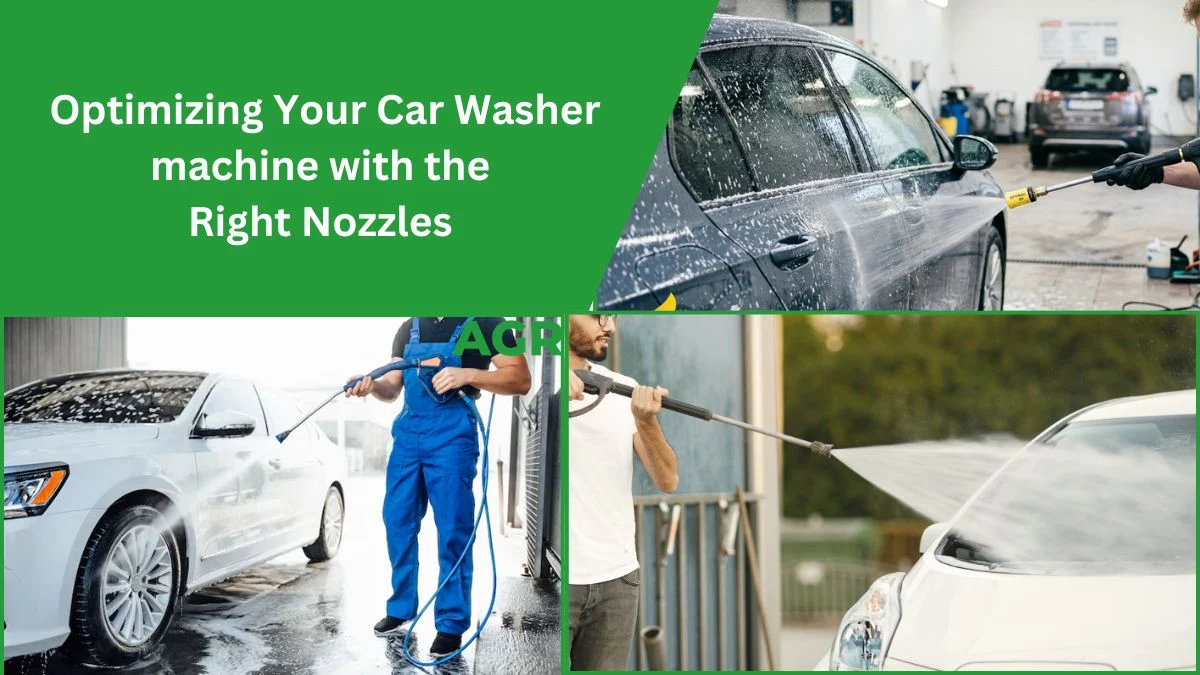
Whether you are a professional detailer or a passionate car enthusiast who treats every wash like therapy, your car washer machine is the heart of your detailing routine. A spotless finish is not just about expensive shampoo or premium microfiber towels — it starts with using your pressure washer correctly.
The wrong nozzle can strip clear coat, damage trim, or even lift paint protection film (PPF). On the other hand, poor maintenance can suddenly leave you with weak pressure, pulsing water flow, or leaking connections right in the middle of a detailing session.
So how do professionals keep their machines running perfectly while protecting the vehicle’s finish?
This comprehensive 2026 guide explains how to optimize your car washer machine using the correct nozzles and how to troubleshoot the most common pressure washer issues like a pro.
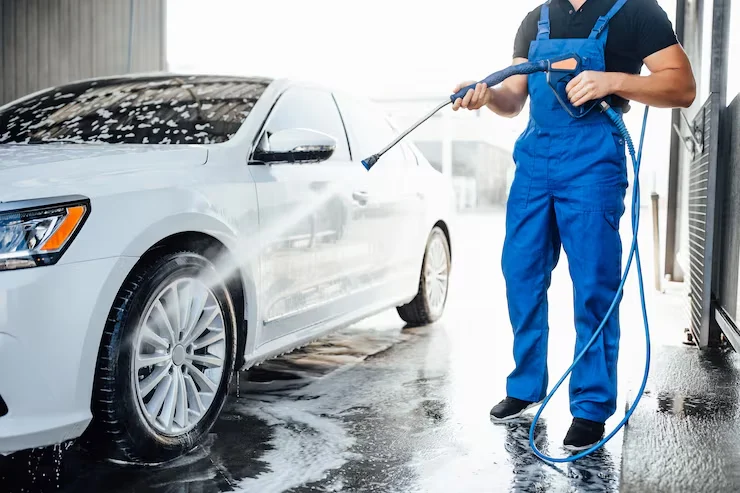
1. Why Nozzle Selection Matters More Than PSIcar washer machine
Most people assume that higher PSI automatically means better cleaning power. In reality, when washing vehicles, water flow (GPM) matters more than extreme pressure.
Too much concentrated pressure can:
- Chip paint
- Damage rubber seals
- Crack trim pieces
- Force water into electrical components
- Lift vinyl wraps and PPF edges
That is why pressure washers use a universal color-coded nozzle system based on spray angle. The wider the fan pattern, the safer it is for automotive surfaces.
For car detailing, the goal is simple:
Use enough pressure to remove dirt safely without aggressively hammering the paint surface.
2. Pressure Washer Nozzle Guide for Safe Car Washing
Red Nozzle – 0° Spray Angle
Never Use on Vehicles
The red tip creates an ultra-focused stream that behaves almost like a cutting tool. It is designed for stripping concrete stains or blasting hard industrial buildup.
Using it on a vehicle can:
- Slice through paint
- Damage wheel finishes
- Tear decals
- Crack headlights
Safe for Paint?
Absolutely Not
Yellow Nozzle – 15° Spray Angle
Heavy-Duty Cleaning Only
This nozzle delivers aggressive cleaning power suitable for:
- Mud-covered off-road tires
- Heavy undercarriage buildup
- Extremely dirty wheel wells
Even then, it should be used cautiously and from a safe distance.
Safe for Paint?
Risky
Green Nozzle – 25° Spray Angle
Controlled Pre-Rinse Cleaning
The green nozzle provides a balanced spray pattern suitable for:
- Pre-rinsing muddy vehicles
- Cleaning wheel arches
- Removing road grime
Keep the wand moving constantly to avoid concentrating pressure in one spot.
Safe for Paint?
Yes — With Proper Distance
White Nozzle – 40° Spray Angle
The Best Nozzle for Car Washing
The white nozzle is considered the gold standard for automotive detailing.
Its wide fan pattern safely:
- Rinses body panels
- Removes soap residue
- Cleans delicate painted surfaces
- Protects clear coat integrity
If you only use one nozzle for regular maintenance washing, this should be it.
Safe for Paint?
Perfect for Vehicles
Black Nozzle – 65° Spray Angle
Soap & Foam Cannon Applications
The black tip operates at low pressure and is designed for:
- Foam cannon use
- Soap application
- Chemical pre-treatment
It allows detergents to cling to the vehicle without blasting them away instantly.
Safe for Paint?
Completely Safe
3. Professional Car Washing Tips to Avoid Paint Damage
Even with the correct nozzle, technique matters.
Follow these professional detailing practices:
- Keep the nozzle at least 12 inches away from the surface.
- Never hold the spray in one spot.
- Use sweeping side-to-side motions.
- Avoid direct spraying at badges, seals, and trim edges.
- Increase distance further for wraps, PPF, or older repaint work.
Professional detailers understand that pressure washers are precision tools — not brute-force cleaners.
Most Common Pressure Washer Problems & How to Fix Them | 2026 Guide
Even the best car washer machine will eventually develop issues. Fortunately, many common problems are simple DIY fixes that do not require replacing the entire pump.
Here are the most common pressure washer issues and how to solve them.
A. Sudden Loss of Pressure
The Problem
You pull the trigger expecting strong pressure, but instead get weak water flow similar to a garden hose.
Common Causes
This issue is usually caused by:
- Restricted water supply
- Kinked garden hose
- Dirty inlet filter
- Worn nozzle tip
- Low incoming water flow
Over time, nozzle openings wear out and enlarge slightly, reducing overall pressure.
The Fix
Try these steps:
- Ensure your water source is fully turned on.
- Check the hose for bends or kinks.
- Remove and clean the inlet mesh filter.
- Replace worn nozzle tips.
- Test with a different nozzle.
Most heavy users replace nozzle tips every 6–12 months.
B. Pressure Washer Pulsing or Surging
The Problem
The machine repeatedly surges up and down instead of maintaining steady pressure.
Common Causes
Pulsing usually happens because:
- Air is trapped inside the pump
- Water supply is insufficient
- Debris is clogging the nozzle
- The unloader valve is reacting erratically
The Fix
Follow this process:
- Turn the machine off.
- Remove the spray nozzle.
- Hold the trigger open for 30–60 seconds.
- Allow water to flow freely and purge trapped air.
- Clean the nozzle using a fine wire or paperclip.
Small grains of sand can easily disrupt water flow and cause surging.
C. Water Leaking from the Pump or Hose
The Problem
You notice water spraying from hose fittings or pooling underneath the pressure washer.
Common Causes
The most common reasons include:
- Worn O-rings
- Loose quick-connect fittings
- Damaged seals
- Cracked hoses
- Internal pump seal failure
The Fix
For connection leaks:
- Shut down the system
- Release pressure completely
- Replace damaged rubber O-rings
- Lubricate new O-rings before installation
If water leaks directly from the pump casing itself, the internal high-pressure seals may need rebuilding.
In that case, consider:
- Purchasing a pump rebuild kit
- Contacting a certified technician
- Replacing the pump assembly if severely damaged
5. Preventive Maintenance Tips for Long Pressure Washer Life
Most pressure washer failures happen because of poor storage habits or improper startup procedures.
These simple habits can dramatically extend machine lifespan.
Flush Air Before Startup
Always allow water to flow through the machine before powering it on.
Running a pump dry — even briefly — creates friction heat that damages internal seals.
Release Pressure After Every Wash
When finished:
- Turn off the machine
- Shut off the water supply
- Pull the trigger once more
This removes trapped pressure from the hose and prevents internal strain.
Winterize the Pump Properly
Never leave water inside your machine during cold weather.
Frozen water expands and can crack:
- Pump housings
- Internal valves
- High-pressure lines
Use:
- Pump saver fluid
- Pressure washer antifreeze
- Indoor heated storage whenever possible
6. Final Thoughts
A pressure washer is one of the most valuable tools in automotive detailing — but only when used correctly.
Choosing the proper nozzle protects your vehicle’s paint while improving cleaning efficiency. At the same time, understanding basic troubleshooting can save you hundreds in unnecessary repairs and downtime.
Whether you are maintaining a weekend show car, operating a detailing business, or simply keeping your daily driver spotless, mastering your car washer machine will help you achieve safer washes, better results, and a much longer equipment lifespan.
Remember:
- Wide spray angles are safer for paint
- Maintenance prevents expensive failures
- Proper storage extends machine life
- Technique matters just as much as pressure
Treat your pressure washer like a precision detailing tool, and it will reward you with years of reliable performance.
Car Washer Machine Tips: Best Nozzles & Pressure Washer Fixes for 2026
A powerful car washer machine can make detailing faster, safer, and more effective — but only when paired with the right nozzle and proper maintenance. From choosing the ideal spray angle to fixing pressure loss and leaks, understanding your machine helps protect your vehicle’s finish while extending equipment life. Whether you are a professional detailer or a weekend car enthusiast, smart pressure washer practices deliver showroom-quality results every time.
FAQ
1. Which nozzle is best for washing a car with a pressure washer?
The white 40° nozzle is considered the safest and most effective option for washing cars. It creates a wide spray pattern that removes dirt and soap without damaging the paint or clear coat.
2. Why is my pressure washer losing pressure while washing my car?
A pressure washer may lose pressure due to a clogged nozzle, dirty inlet filter, kinked hose, or worn-out nozzle tip. Cleaning the filter and replacing damaged nozzles usually restores proper pressure.
3. How often should a car washer machine be maintained?
A car washer machine should be inspected after every few uses and fully maintained every 3–6 months. Regular cleaning of filters, checking O-rings, and flushing the system helps extend pump life and maintain strong performance.